
Table of Contents
- Key Takeaways
- The Ban Landscape in 2026: Where Nicotine Vapes Are Restricted
- The Legal Gap That Zero Nicotine Vapes Fill
- Why This Trend Makes Sense Beyond Just Legality
- State-by-State: What Zero Nicotine Vapers Need to Know
- The Bigger Picture: A Market Reshaped by Regulation
- What This Means if You Live in a Ban State
- Final Thoughts
- FAQs
Something interesting is happening across the United States. In the very states that have cracked down hardest on nicotine vaping, California, New York, Massachusetts, New Jersey, Rhode Island a different category of product is quietly booming: Nicotine Free Vapes.
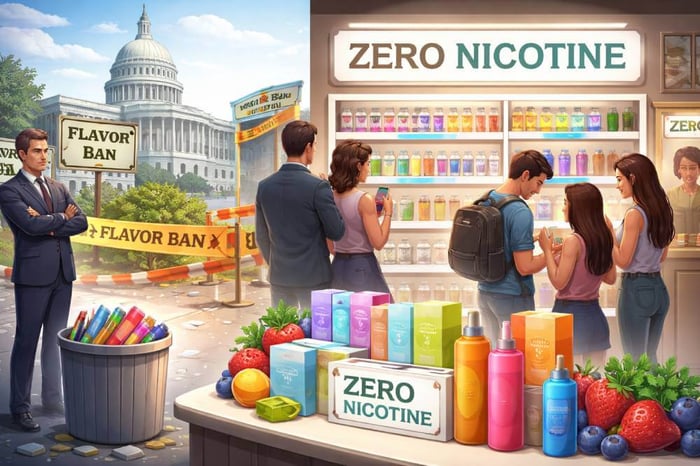
It's not a coincidence. As state legislatures tighten restrictions on flavored and nicotine-containing vape products, millions of adults who enjoyed vaping are turning to a legal, nicotine-free alternative that gives them the experience they want, without putting them in conflict with the law. This is the story of how vape bans are inadvertently creating one of the fastest-growing segments of the vaping market.
Key Takeaways
- Nicotine-free vapes are rising fast in states with strict vape bans.
- Most flavor bans target nicotine, not 0mg disposable devices.
- Users can still enjoy the same flavors and vapor experience legally.
- Many consumers value the vaping ritual more than nicotine itself.
- Zero-nicotine products are improving in quality and availability.
The Ban Landscape in 2026: Where Nicotine Vapes Are Restricted
To understand why nicotine free vapes are surging, you first need to understand just how aggressive state-level restrictions have become.
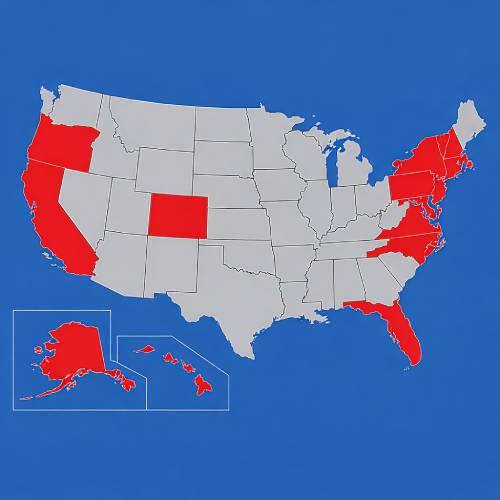
As of 2026, at least 12 U.S. states ban or heavily restrict vapes through flavor bans, directory systems, or origin-based restrictions. States with full flavor bans include California, Massachusetts, New Jersey, New York, Rhode Island, Colorado, Oregon, and Washington.
Here's a breakdown of the key states and what their laws actually mean for consumers:
- California: is the strictest. California's ban, effective January 1, 2025, prohibits all flavored e-cigarettes except tobacco and menthol, and has been extended to cover online sales and nicotine analogs. That means no fruit flavors, no candy flavors, no dessert flavors — in stores or online.
- Massachusetts: goes even further. The first statewide flavor ban was passed in late 2019 by Massachusetts. It includes all tobacco products and prohibits sales of all vape flavors except tobacco — menthol included.
- New Jersey: is equally aggressive. New Jersey bans all flavored vapes including menthol, allowing tobacco-flavored products only, alongside a 30 cents per mL liquid nicotine tax and a 21+ age requirement.
- New York: bans all flavored nicotine vapes except tobacco and menthol, and has also banned online sales of all vape products statewide.
- Rhode Island: enforced a flavored vape ban on January 1, 2025, making permanent a restriction that originated from a 2019 executive order.
Beyond full flavor bans, a new regulatory model is spreading fast. Directory systems are spreading, Wisconsin, North Carolina, and Florida all launched product directories in 2025 that restrict sales to listed, approved products. In practice, this eliminates most popular disposable brands from shelves, since the only FDA-authorized disposable vape as of late 2025 is the NJOY Daily, available only in menthol and tobacco flavors.
The cumulative effect is stark: for a consumer in California, Massachusetts, or New York who enjoyed fruit-flavored nicotine vapes, the product they want is simply no longer legally available. And that consumer doesn't just disappear, they look for alternatives.
The Legal Gap That Zero Nicotine Vapes Fill
Here's the critical nuance most people miss: the majority of state flavor bans target nicotine-containing products specifically. Remove the nicotine, and the legal landscape changes dramatically.
The bottom line, even in restricted states, is that reformulated or zero-nicotine disposable vapes continue to sell legally through verified retailers. That's because most flavor ban legislation is written to regulate nicotine delivery products, not inhalation devices broadly. A disposable vape containing 0mg of nicotine falls outside the scope of many of these bans, meaning the watermelon, mango, blue razz, and mint flavors that disappeared from California vape shop shelves are still available in zero-nicotine format.
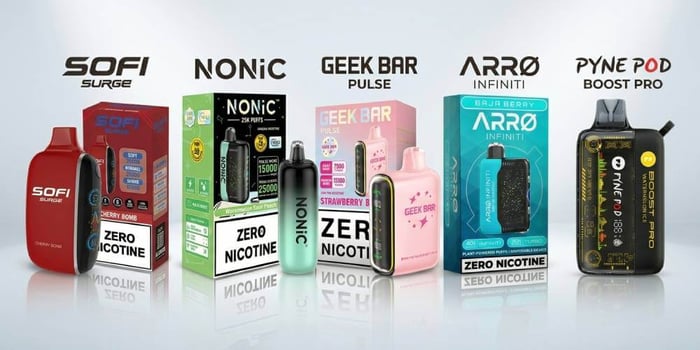
One of the biggest trends of 2025 is the rise of zero-nicotine disposables, with brands like SOFI, NoNiC, and others embracing nicotine-free flavor experiences.
This legal distinction is what's driving the market shift. Brands that previously sold exclusively in nicotine formats have launched zero-nicotine lines. Retailers in ban states have pivoted their inventories. And consumers who were left stranded by flavor bans have discovered that nicotine free vapes deliver nearly identical experiences, same hardware, same vapor production, same flavor profiles, just without the addictive compound that regulators were targeting in the first place.
It's worth noting one important caveat: a nicotine-free disposable may still fall under certain restrictions depending on its labeling or the specific language of state law. Laws vary, and some states define "vaping products" broadly enough to capture nicotine free vapes. Always verify your specific state's current regulations before purchasing.
Why This Trend Makes Sense Beyond Just Legality
The legal angle is only part of the story. There are deeper reasons why nicotine free vapes are resonating strongly in ban states.
Former Vapers Who Already Quit Nicotine
Many of the adults affected by flavor bans aren't nicotine-dependent vapers who are now scrambling for a fix. They're people who already kicked nicotine,some of them using the exact flavor variety and disposable format that just got banned, and who now simply want to continue enjoying the sensory experience of vaping without the substance that caused the regulatory problem.
For this group, nicotine free vapes aren't a compromise. They're a perfect fit. The product they wanted already existed; the ban just made them aware of it.
The Ritual Is the Point
Research on smoking cessation consistently shows that for many people, a significant portion of the attachment to vaping is behavioral rather than chemical. The hand-to-mouth motion, the exhale, the sensory pause in the day, these are habits, not just chemical cravings. Zero-nicotine disposables serve this behavioral need entirely, without introducing any nicotine.
In ban states where nicotine vapes have become harder to access, this behavioral driver is pushing users toward zero-nicotine options that satisfy the ritual while staying completely legal.
Growing Awareness of Nicotine-Free Options
Five years ago, zero-nicotine vapes were a niche product with limited flavor variety and inconsistent quality. Today, brands like Geek Bar Zero, Raz LTX Zero, and Sofi Surge Zero offer 30–50+ flavor options, 10,000–40,000 puff counts, and product quality that is indistinguishable from their nicotine-containing counterparts in terms of hardware and vapor experience. Awareness of these products has grown substantially, and state-level bans have acted as an involuntary advertisement, pushing vapers to discover what the nicotine-free market now offers.
State-by-State: What Zero Nicotine Vapers Need to Know
| State | Nicotine Vape Status | Zero Nicotine Disposables | Notes |
|---|---|---|---|
| California | Flavor ban (all flavors) + online ban | Generally available | Verify products don't fall under broad ENDS definitions |
| Massachusetts | Full flavor ban incl. menthol | Generally available | Strictest state — confirm product labeling |
| New York | Flavor ban + online sales ban | In-store generally available | Online restrictions may apply |
| New Jersey | Full flavor ban incl. menthol | Generally available | Check local ordinances |
| Rhode Island | Full flavor ban | Generally available | Law targets nicotine products |
| Colorado | Flavor ban (2024) | Generally available | Local rules vary (e.g. Denver) |
| Oregon / Washington | Flavor restrictions | Generally available | Check retailer compliance |
| Wisconsin | Directory system (nicotine only) | Generally available | Non-nicotine products not subject to directory |
| North Carolina | FDA-authorized products only (nicotine) | Generally available | Zero-nicotine not in PMTA scope |
| Texas | Chinese-made disposable ban | US-made zero-nic generally available | Applies to nicotine disposables specifically |
This table reflects general legal interpretations as of March 2026. Always verify current state law before purchasing.
The Bigger Picture: A Market Reshaped by Regulation
What's unfolding in the U.S. vaping market is a fascinating case study in how prohibition creates alternative markets, not illicit ones, but entirely legal ones that regulators didn't anticipate when they wrote their legislation.
Flavor bans were designed primarily to reduce youth vaping by targeting the sweet, fruity products believed to appeal to minors. The unintended consequence is that adult consumers who want those same flavors without nicotine are now being served by a booming zero-nicotine industry that the legislation simply doesn't touch.
Tobacco treatment specialists and other clinicians are noting that with a surge in state-level bans on flavored and disposable vape products, the landscape is shifting rapidly, and so are the opportunities to support people in moving away from nicotine dependency. Zero-nicotine vapes, while not a medical cessation tool, are increasingly visible as part of that transition story.
For the industry, the writing is on the wall: more bans are coming, with Maryland, Connecticut, Hawaii, and others having pending legislation. Brands and retailers that have already built strong zero-nicotine product lines are positioned well for a regulatory environment that will continue to tighten its grip on nicotine-containing products.
What This Means if You Live in a Ban State
If you're in California, Massachusetts, New York, New Jersey, Rhode Island, or another state with significant vaping restrictions, here's what you need to know practically:
- You likely still have options: Nicotine free vapes from reputable brands are widely available and generally fall outside the scope of nicotine-focused flavor bans. The mango, watermelon, and mint flavors that disappeared from your local vape shop's shelves in nicotine format are often still available in zero-nicotine versions.
- Quality has never been better: Today's zero-nicotine disposables, from brands like Geek Bar Zero, Raz, and Sofi, are built on the same hardware platforms as their nicotine counterparts. You're not sacrificing vapor production, flavor quality, or device longevity.
- Always check your state's current laws: The regulatory environment is evolving quickly. What's true in March 2026 may change by the end of the year. States like Hawaii and Maryland have pending legislation that could alter the landscape further, and some states define "vaping products" broadly enough to capture zero-nicotine devices.
- Consider online purchasing carefully: Several states, including New York, have banned online sales of vaping products broadly. Others have restrictions tied to PACT Act compliance. If you're ordering online, verify that the retailer ships to your state and complies with applicable shipping regulations.
Final Thoughts
The rise of nicotine free vapes in states that have banned nicotine vapes isn't just a loophole play, it's a market responding rationally to a genuine consumer need. Adults who enjoyed vaping for the flavor and the ritual, not just the nicotine, have found a legal home in nicotine free vapes. And as state restrictions continue to expand, that market will only grow.
If you're in a ban state and looking for options, VapeNicotineFree carries a fully verified range of 0mg nicotine disposable vapes, including the fruit, menthol, and dessert flavors that have disappeared from nicotine shelves near you. Every product in our catalog is confirmed nicotine-free, and we stay current on state shipping compliance so your order arrives without complications.
Browse Our Zero Nicotine Vapes →
FAQs
Are zero nicotine vapes legal in states that ban flavored nicotine vapes?
In most cases, yes. The majority of state flavor bans are written to regulate nicotine-containing products. Zero nicotine disposable vapes typically fall outside their scope. However, some states use broader definitions of "vaping products" that may capture zero-nicotine devices, so always verify your specific state's law.
Can I buy flavored zero nicotine vapes online if I live in California?
California's ban covers flavored nicotine products and nicotine analogs. Zero-nicotine products are not nicotine analogs, so many flavored zero-nicotine vapes can be purchased legally. That said, California's online restrictions are broad — confirm with your retailer that they ship compliantly to California before ordering.
Why are zero nicotine vapes not banned alongside nicotine vapes?
Most flavor ban legislation specifically targets nicotine delivery products as a public health measure tied to nicotine addiction and youth access to addictive substances. A product with zero nicotine doesn't deliver nicotine, so it doesn't fit the legislative intent of those bans.
Are more states expected to ban nicotine vapes?
Yes. The trend is clearly toward increasing restrictions. Maryland, Connecticut, Hawaii, and several other states have pending or expected legislation that could expand flavor bans or add new restrictions. The regulatory direction is tightening year over year.
Do zero nicotine vapes produce the same experience as nicotine vapes?
Very closely. Modern zero-nicotine disposables use the same device hardware, the same VG/PG e-liquid base, and the same flavor formulations as nicotine versions. The vapor production, draw feel, and flavor are nearly identical. The only difference is the absence of nicotine — and for many users in ban states, that's entirely acceptable.