
Table of Contents
- What Are Zero Nicotine Vapes?
- Why Zero Nicotine Vape Myths Spread So Easily
- Myth #1: 0% Nicotine Means Absolutely No Nicotine Exists
- Myth #2: Vape Clouds Are Just Water Vapor
- Myth #3: Removing Nicotine Makes Vaping Completely Safe
- Myth #4: Nicotine-Free Vapes Are Officially Approved to Help People Quit Smoking
- Myth #5: Flavorings Are Always Safe Because They Are Used in Food
- Myth #6: Nicotine-Free Vaping Cannot Affect the Lungs
- Key Facts About Zero Nicotine Vapes
- Common Misunderstandings About Nicotine-Free Vaping
- How Devices Like the ARRO Infiniti 40K Work
- How to Evaluate Claims About Nicotine-Free Vaping
- Conclusion
- FAQs
As vaping technology continues to evolve, more consumers are exploring alternatives that do not contain nicotine. Devices marketed as Zero Nicotine Vapes are often positioned as a simpler option compared to traditional nicotine products. However, as these devices become more popular, misinformation has also spread across forums, blogs, and social media.
This article breaks down the most common misunderstandings surrounding nicotine-free vaping devices. By examining the science behind vapor production, ingredients, and device design, we can separate fact from fiction. Understanding how these devices actually function can help users make more informed decisions.
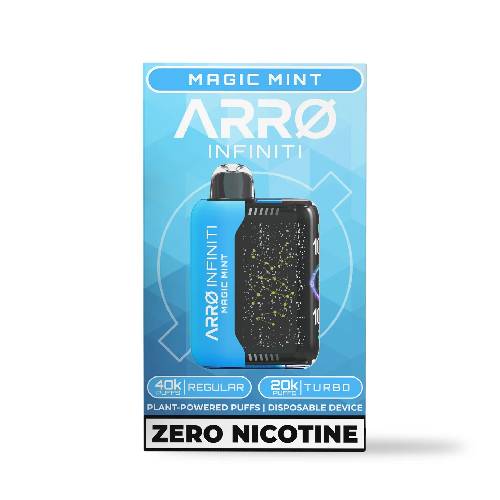
Devices such as the ARRO Infiniti 40K ZERO Nicotine Disposable represent the newest generation of high-capacity disposables designed for users who prefer nicotine-free options. Even though nicotine is removed, the technology behind these devices still involves heating liquids and producing aerosol.
If you're interested in purchasing a zero nicotine vape for yourself, we've created an in-depth zero nicotine vape buyer's guide that covers a range of the best nicotine-free disposable vapes. Feel free to check it out!
What Are Zero Nicotine Vapes?
Nicotine-free vape devices like the ARRO Infiniti 40K ZERO Nicotine Disposable function similarly to standard vaping products. The only major difference is the absence of nicotine in the liquid formulation. Instead, the liquid mixture typically contains propylene glycol, vegetable glycerin, and flavoring compounds.
When the user inhales, the internal heating coil activates. This coil is powered by a rechargeable Lithium ion battery, which heats the liquid absorbed in a wick. The heat converts the liquid into an aerosol that the user inhales.
Although nicotine is removed, the vapor production process remains essentially identical to traditional vaping systems. That similarity is the reason many myths exist about what these devices contain and how they affect users.
Why Zero Nicotine Vape Myths Spread So Easily
Many consumers assume that removing nicotine eliminates all concerns related to vaping. Marketing language, incomplete research summaries, and misunderstandings about vapor chemistry often contribute to confusion.
Educational discussions about Zero Nicotine Vape Safety: What You Need to Know emphasize that vaping still involves heating liquids and inhaling aerosolized particles. Because of this, claims about absolute safety or complete harmlessness should be evaluated carefully.
Let’s examine the most common myths and clarify what current research and device design actually indicate.

Myth #1: 0% Nicotine Means Absolutely No Nicotine Exists
Many people believe that if a product says “0% nicotine,” it guarantees the complete absence of nicotine. In reality, some independent testing has occasionally detected trace nicotine levels in products labeled nicotine-free.
This typically happens because manufacturing facilities sometimes produce both nicotine and nicotine-free liquids. Shared equipment may allow extremely small residues to remain in production lines.
While many manufacturers aim for accurate labeling, trace contamination has occasionally been detected in laboratory testing. This is why transparency and third-party testing are increasingly important in the vaping industry.
Myth #2: Vape Clouds Are Just Water Vapor
Another common misconception is that vaping produces simple steam similar to water vapor. In reality, vape emissions are aerosols made up of microscopic droplets containing several compounds.
The vapor typically includes propylene glycol, vegetable glycerin, and flavoring ingredients. When heated by the device’s coil, these liquids form visible clouds that are chemically different from water vapor.
Because the aerosol contains particles from the liquid and heating process, the idea that it is purely steam is incorrect.
Myth #3: Removing Nicotine Makes Vaping Completely Safe
While removing nicotine eliminates the addictive element of many vape products, it does not remove every other component of the aerosol. Heating liquids can still produce trace compounds depending on device materials and temperatures.
Research has occasionally detected small quantities of metals such as nickel or chromium in vapor samples. These metals may originate from heating coils or internal components.
Because of this, removing nicotine changes the composition of the vapor but does not necessarily eliminate all potential concerns associated with inhaling heated aerosols.
Myth #4: Nicotine-Free Vapes Are Officially Approved to Help People Quit Smoking
Another widespread belief is that nicotine-free vaping devices are approved cessation tools. In reality, most vaping devices are not classified as medical smoking-cessation products.
Some individuals use vaping as an alternative to cigarettes, but regulatory agencies generally require specific clinical trials before a product can be marketed as a cessation therapy.
This distinction often gets lost in online discussions, which contributes to misunderstanding about the intended purpose of these devices.
Myth #5: Flavorings Are Always Safe Because They Are Used in Food
Flavor compounds used in vape liquids are often described as “food-grade.” While these ingredients may be safe for consumption in food products, inhalation exposes them to a different biological pathway.
When heated and aerosolized, certain flavoring compounds can behave differently than they do when eaten. Researchers continue to study how inhaled flavoring particles interact with respiratory tissues.
This is why the safety profile of inhaled flavor compounds remains an active area of research.
Myth #6: Nicotine-Free Vaping Cannot Affect the Lungs
Another misconception is that removing nicotine prevents any respiratory impact. However, inhaling heated aerosol particles can still interact with lung tissue.
Certain studies have examined how vapor particles may cause irritation or inflammation in the respiratory system. Public health discussions have also investigated conditions such as EVALI, which are associated with certain vaping products.
Understanding aerosol chemistry and particle behavior remains essential when evaluating these devices.
Key Facts About Zero Nicotine Vapes
- They do not intentionally contain nicotine in the liquid formula.
- The devices still heat liquid ingredients to create inhalable aerosol.
- Most devices rely on rechargeable Lithium ion battery systems.
- The vapor contains compounds from propylene glycol, glycerin, and flavoring ingredients.
- Manufacturing transparency and lab testing help verify product composition.
Common Misunderstandings About Nicotine-Free Vaping
- Many people assume vape clouds are just water vapor.
- Some believe nicotine-free vapes cannot affect the lungs.
- Others think flavoring ingredients are automatically safe to inhale.
- Many assume all nicotine-free products are medically approved cessation tools.
- Some believe removing nicotine eliminates all potential concerns.
How Devices Like the ARRO Infiniti 40K Work
Modern disposable devices such as the ARRO Infiniti 40K ZERO Nicotine Disposable are designed to deliver large puff capacities through integrated hardware systems.
Inside the device is a rechargeable Lithium ion battery connected to a mesh heating coil. When the user inhales, airflow sensors activate the heating element, vaporizing the liquid contained in the internal reservoir.
Because the device is sealed, it requires no refilling or maintenance. Once the liquid supply is depleted or the battery reaches the end of its life cycle, the device is discarded.
Even though nicotine is removed from the formulation, the vaporization process remains identical to traditional disposable vape devices.
How to Evaluate Claims About Nicotine-Free Vaping
With so much information circulating online, it is important to evaluate vaping claims carefully. Reliable information usually comes from peer-reviewed research, transparent product testing, and credible regulatory agencies.
Consumers should look for products that provide ingredient transparency and third-party testing data. Understanding the basics of how vapor devices operate can also help users identify exaggerated marketing claims.
Separating scientific evidence from speculation is essential when discussing nicotine-free vaping.
Conclusion
Nicotine-free vaping devices have become increasingly popular as consumers explore alternatives to traditional nicotine products. However, the rapid growth of this category has also produced widespread myths about how these devices function and what they contain.
Removing nicotine does change the composition of vape liquids, but it does not transform vapor into simple water steam or eliminate all other components produced during heating. Understanding the mechanics of vaporization, ingredient chemistry, and device design is key to evaluating these products realistically.
As research continues and technology evolves, clearer information will likely emerge about nicotine-free vaping devices. Until then, separating myths from facts helps consumers better understand the devices they use.
FAQs
Do Zero Nicotine Vapes contain nicotine?
Most are formulated without nicotine, but trace contamination has occasionally been detected in independent testing of some products.
Is vape aerosol the same as water vapor?
No. Vape aerosol is created when e-liquid ingredients are heated and converted into microscopic droplets suspended in air.
No. Vape aerosol is created when e-liquid ingredients are heated and converted into microscopic droplets suspended in air.
Yes. Most devices use rechargeable Lithium ion battery systems to power the heating coil that vaporizes the liquid.
Are nicotine-free vapes approved to help people quit smoking?
Most vaping devices are not approved medical smoking-cessation products.
Why do zero nicotine vapes still produce large clouds?
The clouds come from vegetable glycerin and propylene glycol, which create visible vapor when heated.