How Long Does Nicotine Stay in Your System? Detection Windows
Quick answer
How long does nicotine stay in your system? Nicotine itself has a half-life of about 2 hours, so it clears within a day or so, but its main byproduct, cotinine, usually stays detectable in blood, saliva, and urine for about 3 to 4 days and sometimes up to a week. Hair tests are used to look at longer-term exposure. Your own window depends on how much nicotine you used, how often, and how your body processes it.
If you have a test coming up, or you just switched to a 0% device, it is natural to wonder how long does nicotine stay in your system once you stop. Here at Vape Nicotine Free we sell zero nicotine disposables to adults 21+, and we get this question a lot. Below we break down what labs actually measure, the typical timelines from published lab references, and what changes (and what does not) when you move to a 0% vape.
2 hrs
Approximate half-life of nicotine itself, according to Mayo Clinic Laboratories.
16 hrs
Average half-life of cotinine, the marker most nicotine tests look for.
80 to 100 hrs
Typical time for cotinine to drop below common test cutoffs after stopping.
0 mg
Nicotine in a true 0% vape, so it adds no new cotinine.
How long does nicotine stay in your system after you stop?
Short answer: nicotine leaves quickly, cotinine lingers. Most tests are really cotinine tests, which is why the detection window is days rather than hours.
According to Mayo Clinic Laboratories, nicotine has an elimination half-life of about 2 hours and is rapidly converted to cotinine. A half-life is simply the time it takes for the level in your body to drop by half. After roughly five half-lives, most of a substance is gone, which is why nicotine itself is usually hard to find after the first day.
Cotinine is different. A 2019 update on biochemical verification of tobacco use, published by Benowitz and colleagues and hosted by the CDC Stacks library, lists an average cotinine half-life of 16 hours and notes it can range from 8 to more than 30 hours depending on genetic, hormonal, and other factors.
Nicotine half-life vs cotinine half-life
Think of nicotine as the headline and cotinine as the receipt. The headline fades fast, but the receipt sticks around long enough for a lab to read it. That is why insurance, employment, and pre-surgery screenings usually measure cotinine instead of nicotine.
Typical nicotine detection time after last use (hours)
Nicotine detection time by test type
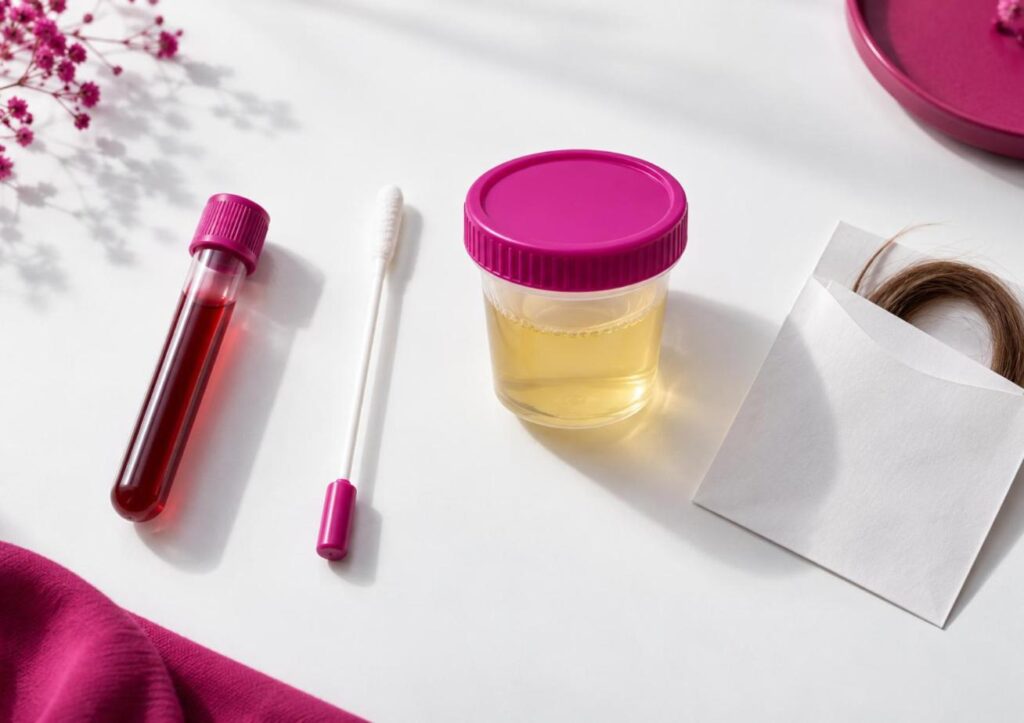
Each sample type has its own cutoff, so the same person can test differently depending on what is collected. Blood, saliva, and urine all measure cotinine over a window of a few days; hair reflects a much longer period.
| Test type | What it measures | Common cutoff (cotinine) | Typical window |
|---|---|---|---|
| Blood (serum or plasma) | Cotinine, sometimes nicotine | About 3 ng/mL | About 3 to 4 days, up to a week |
| Saliva | Cotinine | About 12 ng/mL | About 3 to 4 days, up to a week |
| Urine | Cotinine, plus anabasine on some panels | About 30 to 50 ng/mL | About 3 to 4 days, up to a week |
| Hair | Nicotine or cotinine built up in the hair shaft | Varies by lab | Longer-term exposure |
Blood and saliva
The 2019 verification update reports an optimal serum cotinine cutoff of 3 ng/mL among U.S. adults and a saliva cutoff of 12 ng/mL from U.K. data. Mayo Clinic Laboratories lists a typical serum cotinine peak of 200 to 800 ng/mL during active tobacco use, so it takes several half-lives to fall under those cutoffs.
Urine
Urine is the most common sample for insurance and workplace screening. Mayo Clinic Laboratories notes that heavy tobacco users who abstain for 2 weeks typically show urine cotinine below 50 ng/mL, and that passive smoke exposure can raise urine cotinine by up to 20 ng/mL. Some urine panels also check for anabasine, a tobacco alkaloid that is not in nicotine replacement products.
Hair
Hair grows slowly and traps compounds as it grows, so researchers use hair nicotine as a biomarker of long-term exposure. It is mostly used in studies rather than routine screening, and labs set their own cutoffs.
Keep the routine, skip the nicotine
Our zero nicotine disposables contain 0 mg nicotine. Orders over $100 ship free, and buying 2 saves 10% while 3 or more saves 15%, applied automatically in cart.
Shop zero nicotine vapesWhat affects how long nicotine lasts in your body?
How long does nicotine stay in your system for you specifically? Your personal timeline depends on how much nicotine was in your system at the start and how fast your body clears it. Two people who stop on the same day can test differently.
- How much and how often: Daily, heavy use builds higher cotinine levels, so it takes longer to fall below a cutoff than occasional use.
- Metabolism: The 2019 update says cotinine half-life ranges from 8 to 30+ hours because of genetic, hormonal, and other factors.
- Product type: Benowitz and colleagues report that cotinine levels are quite similar in regular vapers and cigarette smokers, so a nicotine vape is not a shortcut on a test.
- Secondhand exposure: Being around smoke can leave low levels of cotinine, which is why labs set cutoffs above zero.
- Time since last use: Mayo Clinic Laboratories notes that results depend on the time between your last dose and sample collection.
Tip: If a test matters for insurance, a job, or a procedure, ask the testing provider which sample and cutoff they use, and talk to your healthcare provider. We cannot predict any individual result.
Does a zero nicotine vape change your detection window?
A true 0% vape adds no nicotine, so it should not create new cotinine. It does not erase nicotine you already used, though; whatever is in your system still has to clear on its normal schedule.
Some adults use a 0% device to keep the hand-to-mouth routine while cutting out nicotine. If that is your plan, our guide on switching from nicotine to no nicotine vapes walks through the practical side. Keep in mind that a zero nicotine device is not a quit-smoking product, and the Cleveland Clinic points out that nicotine-free vapes are not risk-free and that some products sold as nicotine-free have tested positive for nicotine.
That last point matters. The CDC also notes that some products labeled as 0% nicotine have been found to contain nicotine. We cover what to look for in are zero nicotine vapes really zero, and our nicotine-free vapes buyer’s guide explains how we choose the brands we carry.
Popular 0% picks from our shop
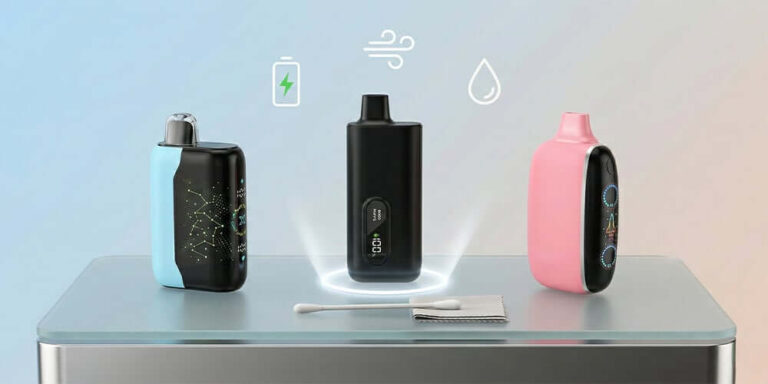
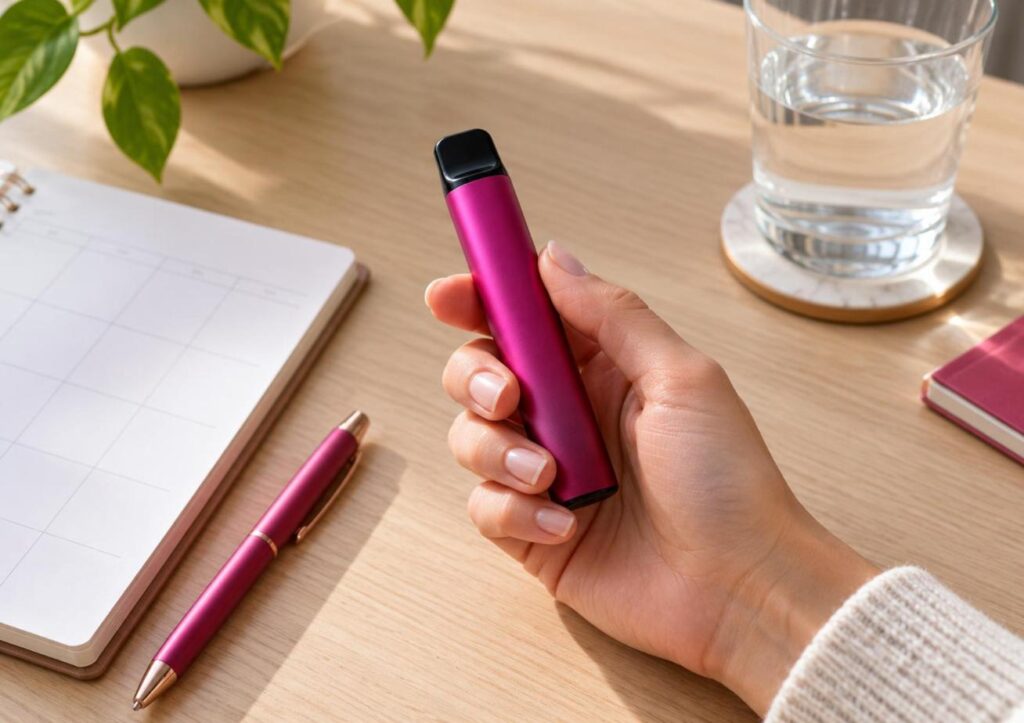
If you are moving to zero nicotine, these are three of the devices our customers reorder most. All contain 0 mg nicotine.
How long does nicotine last: a simple timeline
Here is the general picture from the lab references above. Treat it as a rough guide to how long does nicotine stay in your system, not a promise for any one person.
- First few hours: Nicotine levels drop by half about every 2 hours as your liver converts it to cotinine.
- Day 1: Nicotine itself is mostly gone, but cotinine is still high.
- Days 2 to 4: Cotinine keeps falling. Benowitz and colleagues estimate about 80 to 100 hours to reach common cutoffs.
- Days 5 to 7: Most people are below cutoffs, though slower processors may need the full 6 to 7 days the paper suggests allowing.
- Longer term: Hair can still reflect past exposure after blood, saliva, and urine are clear.
Comparing devices? Our breakdown of zero nicotine vapes vs regular vapes covers ingredients, throat hit, and how the experience feels different.
Find your 0% flavor
Browse fruit, mint, and ice blends with 0 mg nicotine. Free shipping on orders over $100, plus automatic savings when you buy 2 or more.
Browse 0% disposablesFrequently asked questions
How long does nicotine stay in your system after one cigarette or vape session?
Nicotine has a half-life of about 2 hours, so it drops quickly. Cotinine from a single session is lower than with daily use and usually falls below test cutoffs sooner, but exact timing varies by person.
How long does cotinine stay in urine?
Published lab guidance estimates about 80 to 100 hours for cotinine to fall below common cutoffs after stopping, and some programs allow 6 to 7 days for slower processors.
Will a zero nicotine vape show up on a nicotine test?
A true 0% vape contains no nicotine, so it should not add cotinine. Nicotine you used before switching can still show up until it clears. Some products labeled 0% have tested positive for nicotine, so buy from a retailer you trust.
Does drinking water flush nicotine out faster?
We are not aware of good evidence that extra water speeds up cotinine clearance in a meaningful way. Time is the main factor. Ask your healthcare provider if you have questions about an upcoming test.
Can secondhand smoke cause a positive nicotine test?
Secondhand exposure can leave low cotinine levels. Mayo Clinic Laboratories notes it can raise urine cotinine by up to 20 ng/mL, which is why labs use cutoffs above zero.
Sources
- Mayo Clinic Laboratories: Nicotine and Metabolites, Random, Urine (test overview)
- Mayo Clinic Laboratories: Nicotine and Metabolites, Serum (test overview)
- Benowitz et al.: Biochemical Verification of Tobacco Use and Abstinence, 2019 Update (CDC Stacks)
- NIH PubMed Central: Utility and Cutoff Value of Hair Nicotine as a Biomarker of Long-Term Tobacco Smoke Exposure
- CDC: About E-Cigarettes (Vapes) (2024)
- Cleveland Clinic: Nicotine-Free Vaping: What You Should Know (2026)
For adults 21+ only. This article is for general information and is not medical advice. Zero nicotine vapes contain no nicotine, but they are not risk-free; talk with a healthcare provider about your health questions.